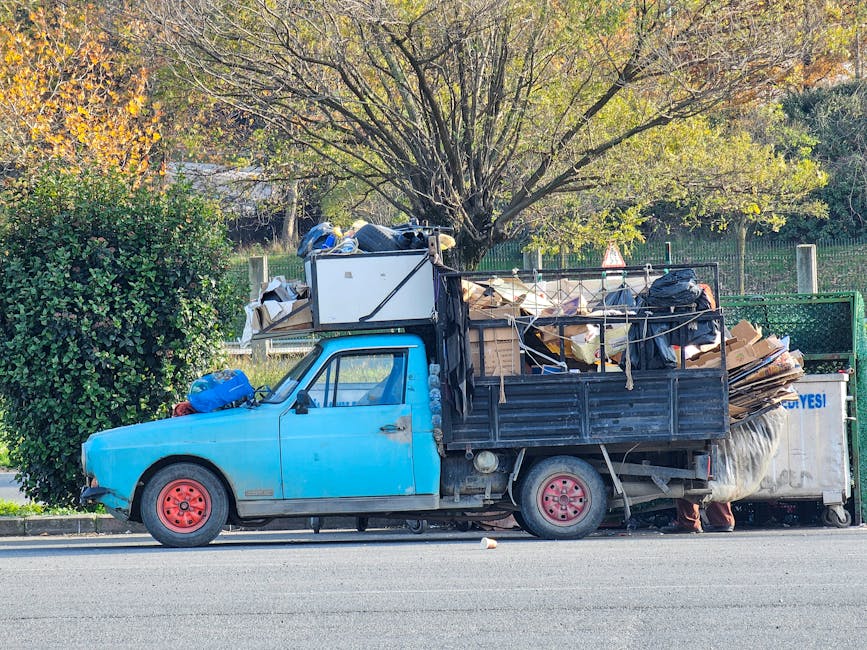
If you run a shop near Motcomb Street, rubbish has a habit of appearing faster than you expect.
Waste Disposal Belgravia provides reliable and environmentally responsible garden waste removal across Belgravia and the surrounding neighbourhoods. Whether you are maintaining a small courtyard garden near Belgrave Square or a larger outdoor space close to Eaton Square Gardens, our team makes garden clearance and green waste collection simple, efficient and eco-conscious.
Our garden clearance service is designed for homes, townhouses, managed estates and commercial premises throughout the Belgravia area. We clear both front and rear gardens, roof terraces, communal courtyards and landscaped grounds with minimal disruption. From one-off seasonal clear-outs to regular maintenance collections, we adapt our service to your garden and schedule.
We work across the wider garden clearance area around Belgravia, including residential streets close to Hyde Park Corner, green courtyards by Sloane Square, and properties within walking distance of local green spaces such as Belgrave Square Garden and Eaton Square Gardens. No matter where you are in Belgravia, our team can reach you promptly with the right equipment for fast and tidy clearance.
Our green waste collection area covers the whole of Belgravia, ensuring residents and businesses have an easy way to dispose of organic materials responsibly. We can provide one-off clearances after major pruning or landscaping work, or set up regular green waste collection to keep your outdoor spaces looking their best all year round.
By focusing on dedicated green waste collection, we help reduce the amount of biodegradable material sent to landfill and support a cleaner, greener Belgravia. Our teams are trained to separate and handle organic waste so that it can be composted or recycled whenever possible.
We remove a wide range of garden waste materials as part of our garden clearance and green waste collection services. Common items include:
Grass cuttings and lawn clippings from regular mowing
Leaves, hedge trimmings and general pruning waste
Small branches, twigs and brushwood
Plants, flowers, weeds and soil in manageable quantities
Old turf, dead shrubs and seasonal plant clear-outs
Biodegradable garden debris from landscaping or renovation projects
In addition to organic waste, we can also remove many non-organic items associated with garden maintenance, such as broken plant pots, garden furniture, old compost bags and outdoor clutter. Where possible, these are separated for recycling and responsible disposal.
Wherever practical, we divert garden waste away from landfill by prioritising composting and recycling. Organic materials such as grass, leaves and plant cuttings are sent to approved composting or green waste recycling facilities. There, your garden waste is transformed into nutrient-rich compost or soil improver rather than contributing to unnecessary landfill volumes.
Any recyclable packaging or garden-related materials, such as certain plastics, metals or wood, are sorted and sent to appropriate recycling streams. This commitment to composting and recycling supports a circular approach to waste management and helps preserve the green character of Belgravia and its nearby parks.
Our eco-friendly practices are at the heart of every garden waste removal service we deliver in Belgravia. We aim to minimise environmental impact through careful planning and responsible handling of all materials we collect.
We optimise routes within our garden clearance area to reduce unnecessary vehicle mileage and emissions. Our teams use efficient loading methods to maximise capacity on each visit, which means fewer trips and a smaller carbon footprint. We also encourage clients to separate green waste where possible, so that compostable materials can be processed quickly and effectively.
From the tree-lined streets leading toward Hyde Park to the landscaped squares and private gardens throughout Belgravia, we understand how important local green spaces are to residents. Our eco-friendly approach supports the long-term health and beauty of these cherished outdoor areas.
Every garden in Belgravia is different, which is why we tailor our services to suit your specific needs. Whether you have a compact city garden, a communal courtyard shared with neighbours, or a larger landscaped space close to one of the area’s historic squares, we provide a practical and respectful service.
We can assist after pruning, replanting, lawn renovation, tree work or a complete garden redesign. Our team will load, remove and sort your garden waste, leaving your property neat and ready for you to enjoy. If you are planning ongoing maintenance, we can schedule regular visits to keep green waste under control throughout the year.
By choosing Waste Disposal Belgravia, you are supporting a service that combines convenience with environmental responsibility. Our focus on a clearly defined garden clearance area and dedicated green waste collection area ensures prompt response times and consistent, high-quality service across Belgravia.
You benefit from professional teams who respect both your property and the wider environment, careful separation of materials for composting and recycling, and a flexible approach to scheduling that fits in with your gardening plans. From small tidy-ups to large-scale clearances, we help keep Belgravia’s gardens, terraces and green spaces looking their best while protecting the environment.

Waste Disposal Belgravia provides practical waste disposal in Belgravia for homes, flats, offices and other local premises that need rubbish removed in a tidy, organised way. The service covers everyday household waste, furniture, appliance items, garden debris and general clearance work, with a focus on collecting material that is ready to go rather than adding avoidable disruption. If you need a straightforward way to clear space and keep disposal handled properly, this page explains the main options.
The work is arranged around the type of waste, the access available and the volume that needs to be taken away. That means a collection can be planned for a single bulky item, a mixed load from a room clearance, or a fuller waste clearance service when several categories of rubbish need to be removed together. It is a practical choice when the job is more involved than a normal bin uplift but does not require a specialist project team.
To request a quotation, you can describe the items, the location and any access points so the work can be assessed accurately. If you already know what needs removing, that is usually enough to start the process. Clear information helps the right collection be matched to the right load.
Domestic collections are useful when regular household storage is no longer enough and a mixture of unwanted objects needs to be removed in one visit. That can include bagged rubbish, broken items, old furnishings and general clutter from rooms that are being reorganised or emptied. The aim is to take away the right materials without creating more sorting for the customer than necessary.
For a lot of homes, the main decision is whether the load is a single-item removal or part of a broader clearance. A domestic waste collection is often suitable for ad hoc household rubbish, while a fuller house-related job may be better handled as a house clearance service when several rooms, cupboards or stored belongings need attention at once. Both approaches are about keeping the process orderly and proportionate to the amount being removed.
Two details help most with this kind of work: first, a simple description of what is to go; second, any access considerations such as stairs, parking or building entry. If there are items that must be separated from general rubbish, it is better to mention that at the outset. That keeps the quotation aligned with the actual collection.
Bulky items often need a more careful plan than bagged waste because they can be awkward to move, difficult to manoeuvre through tight spaces and heavier than they first appear. Furniture disposal and appliance disposal are commonly needed when replacing worn items, clearing rental property contents or making room for new fittings. The service is intended for items that are ready for removal and do not need dismantling unless that has been arranged separately.
A furniture disposal service is suitable for sofas, chairs, tables, wardrobes and other household furnishings, while a white goods and appliance disposal page is the more relevant option for larger appliances such as cookers, fridges, freezers and similar items. When the work involves a mix of both, the load can be planned as a general collection if that is the most sensible fit. The right choice depends on what is being taken and how much of it there is.
Customers often find it useful to group items by room or type before enquiry, but there is no need to overcomplicate it. A short list is normally enough, especially where the main concern is moving one or two large pieces safely. Once the item list is clear, the rest becomes easier to price and schedule.
Commercial waste needs a service that can deal with desks, chairs, packing materials, archive items and everyday office rubbish without getting in the way of business activity. Waste Disposal Belgravia handles office and business collections that are aimed at getting the premises back in usable order, whether the job is part of a relocation, a refit or a routine tidy-up. The emphasis is on removing redundant materials efficiently and leaving the remaining space clear for work.
For larger workplaces, an office clearance is often the best fit when furniture, paperwork, fixtures and mixed waste need to be handled together. Smaller or more regular business loads may be more suitable for a commercial waste removal service, especially where the items are already segregated and the task is mainly about uplift and disposal. The difference is usually one of scale and how much needs to be cleared in one go.
It also helps to note whether the items are spread across one floor or several, because that affects how the work is organised. Where offices are busy, a collection that fits around access windows can be the most practical route. Good planning keeps the collection manageable for staff and the property alike.
Some collections are less about household items and more about post-work debris, packaging and general project waste. Builders waste disposal can cover rubble bags, offcuts, broken fixtures, scrap materials and the mixture left after refurbishment or light building activity. This kind of work is best approached as a load that needs sorting, moving and disposing of with the rest of the site tidy-up rather than as a simple bin replacement.
Where the work is concentrated in storage spaces, a loft clearance may be the more relevant service, particularly if the area holds old furnishings, boxes or items that have been left unused for a long time. For trades and property works, the builders waste disposal page gives a clearer match when the waste comes from renovation, fitting or structural work. The two services can overlap, but the type of waste is what usually determines the best route.
If a job mixes old contents with new project debris, it is sensible to describe both parts rather than assuming they can be treated the same way. That gives a better basis for planning the collection and avoids splitting one job into unnecessary stages. Mixed loads are easiest to handle when they are described honestly and simply.
Belgravia is an affluent district in central London, lying largely within the City of Westminster and extending towards the boundary with Kensington and Chelsea. Its streets and garden squares were laid out in the 19th century as part of the grand redevelopment of the Grosvenor Estate, giving the area a distinctive planned character that still shapes its appearance today. White stucco terraces, formal crescents and elegant mews are common architectural features, and many streets retain a refined residential atmosphere despite the proximity of major transport corridors and commercial destinations. Eaton Square, Belgrave Square and Chester Square are among the best-known private garden squares, and they reflect the district’s long association with high-status urban housing. The area is also closely linked with diplomatic and institutional uses, with several embassies and organisations occupying prominent buildings. To the north and east, the district connects with Victoria and Westminster, while its southern and western edges blend into Knightsbridge and neighbouring parts of central London. Even so, Belgravia has a recognisable identity of its own, shaped by carefully planned streets, mature plane trees, mews lanes and a layout that favours ordered urban form over dense high-rise development. The result is a place where residential architecture, private gardens and refined public spaces combine to create one of London’s most distinctive inner-city neighbourhoods.
Property changes often create collections that are broader than a single household refresh but smaller than a full commercial move. In flats, managed buildings and rental properties, the challenge is often to clear what is no longer needed while keeping the rest of the space usable. This may include furniture, mixed rubbish, stored contents or leftover items from outgoing occupants. A well-planned clearance avoids dragging the process out longer than necessary.
A furniture removal service is a practical option when the task is mainly to take away unwanted pieces without necessarily treating the work as disposal of waste alone. If a property contains general accumulated items across rooms, a broader waste disposal service can be a better match because it covers mixed material that is ready for removal. The important point is to match the service to the state of the property, not just the item type.
When a customer is unsure how to describe a mixed load, it is enough to separate the main categories and mention anything unusually large, fragile or awkward. That gives a clearer picture without needing a long inventory. Simple descriptions usually lead to a simpler, more accurate arrangement.
Waste collection pricing is usually shaped by the amount of material, the nature of the items, and the work involved in moving them out of the property. Access, loading conditions and whether the waste is mostly light, bulky or mixed can all affect how the job is assessed. For that reason, a quotation works best when it reflects the real collection rather than a rough assumption about size alone.
For customers who want to understand how the estimate is formed, the prices page and the pricing and quotes page are the most useful starting points. A description of the waste type, approximate quantity and access conditions is usually the most helpful information to prepare. If there are separate loads, it is better to mention them distinctly instead of merging them into one vague request. That makes the quotation stage more precise.
There is no need to create a long checklist before getting in touch. A short summary of the items, the location in the property and any limitations such as stairs or timed access is often enough. Clear information supports a cleaner quote.
Responsible waste handling depends on more than collection alone. It also depends on taking the material away through suitable channels and keeping the process in line with relevant compliance requirements. That matters for mixed loads, commercial waste and items that may need special handling because of their size or contents. A properly managed disposal service gives the customer a simpler route than trying to separate every element independently.
For readers who want to understand the standards behind the work, the insurance and safety page and the waste carrier licence and compliance page explain the governing approach more directly. The recycling and sustainability page is also relevant where items may be diverted from disposal through sorting and responsible processing. Together, those pages help customers understand the administrative side of a service that is often judged only by the collection itself.
When arranging a job, it is reasonable to ask how the waste will be handled and what information is needed to process it properly. That keeps expectations realistic and the collection straightforward.
If you need waste disposal in Belgravia for a home, business premises or a mixed clearance, the simplest next step is to send a brief description of the items and the access conditions. That gives the team enough detail to assess the collection properly and point you to the most suitable service. For a broader overview of the available work, the services overview is a useful page before you decide how to proceed.
It can also help to confirm whether your job is mainly domestic, commercial, furniture-related or part of a wider clearance, because that keeps the quotation aligned with the actual task. If you are comparing options or want to check the service structure first, the main pages above should give you a clear picture without overcomplicating the process. When you are ready, request a quotation and describe the waste in plain terms.
For the quickest response, use the contact us page to send your enquiry and request a quotation.
(81)