27/08/2026
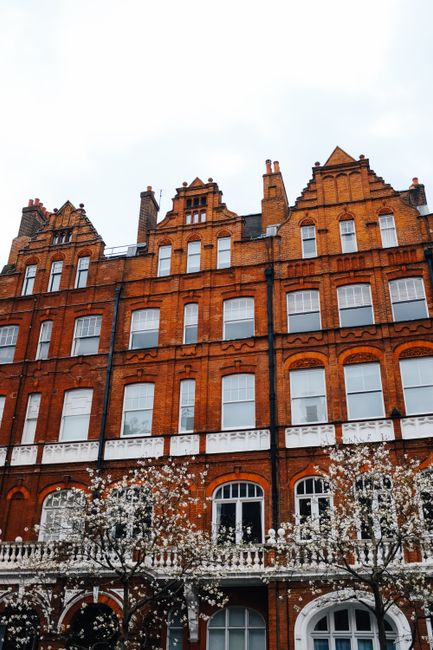
If you commute through Victoria every day, you already know the pattern: coffee in one hand,...
Waste Disposal Belgravia provides a complete, reliable and ethical waste clearance service for homes and businesses across Belgravia and the surrounding central London area. From compact basement flats near Eaton Square to elegant terraces on Chester Row and converted townhouses off Elizabeth Street, our local team specialises in tailored waste disposal and flat clearance solutions that respect both your property and the environment.
Our waste disposal service covers everything from one-off bulky item removals to large-scale property clearances. We work throughout the area, including properties near Belgrave Square, Grosvenor Crescent, Wilton Crescent and the many mansion blocks and converted period buildings that define Belgravia.
We handle household rubbish, old furniture, broken appliances, unwanted fixtures, office waste and more. We carefully plan access for mews houses, basement flats, top-floor apartments with narrow stairwells and large family homes, making sure your waste disposal is carried out smoothly and with minimal disruption.
Belgravia features a wide mix of flats, from purpose-built mansion blocks to stylish apartments created from converted townhouses. Our flat clearance service is designed specifically for these types of properties, where access, shared entrances and building rules need careful management.
We regularly carry out flat clearances in and around Eaton Place, Halkin Street, Lowndes Square, Sloane Gardens and the quiet residential streets close to Victoria and Sloane Square stations. Whether you are moving out, renovating or managing a tenancy changeover, we can remove all unwanted items quickly and respectfully.
Our team is trained to protect communal areas such as stairwells, lifts and lobbies. Floors and walls are protected where needed, and we always keep noise and disruption to a minimum so neighbours in surrounding flats and terraces are not inconvenienced.
Every property in Belgravia is different, so we offer flexible full or partial clearance services. You decide how much needs to go, and we do the rest.
Full clearance is ideal when a flat, terrace house or office needs to be emptied completely. This is common when selling a property on streets like Ebury Street or when refurbishing a mansion flat near Eaton Square. We clear furniture, white goods, personal items, carpets by request and almost all general waste, leaving the property ready for cleaning or works.
Partial clearance works well when you only want to remove selected items. Perhaps you are replacing furniture in a converted building off Motcomb Street, or you need old office equipment cleared from a single room. We follow your instructions item by item, ensuring only the things you list are removed, and everything you wish to keep is left exactly where it is.
Belgravia has many long-established family homes and high-value estates, and we understand that probate clearances must be handled with discretion, care and respect. Our probate clearance service supports families, executors and solicitors dealing with properties across the area.
We work carefully through flats, terraces and larger houses, sorting and removing items according to your guidance. Where requested, we can separate belongings for family, items for potential sale, and items for donation or recycling. We are experienced in working in elegant period homes and are always mindful of the emotional context around probate clearances.
We can schedule visits at times that suit family members or agents, and we are comfortable coordinating access through building managers and concierge services, which are common in many mansion blocks and private developments around Belgrave Square and Grosvenor Gardens.
Belgravia residents often have high-quality furniture, fittings and household items that should not simply be thrown away. As part of our waste disposal and flat clearance services, we look first for opportunities to recycle and reuse.
Where sofas, tables, wardrobes, beds, desks or shelving are in good, safe condition, we prioritise furniture recycling or reuse over disposal. Items are assessed on site, carefully carried out through narrow staircases or lift lobbies, and transported for reuse through our established recycling and donation routes.
For items that cannot be reused, we separate materials such as metal, wood, glass and some plastics wherever possible. This reduces the volume of waste sent to landfill and supports a greener approach to property clearance in Belgravia.
Many belongings cleared from Belgravia flats, terraces and offices are still in good working order. We believe these items should support others where possible, so we work with a network of donation partners to give suitable items a new home.
During your clearance, we set aside reusable furniture, white goods that meet safety and age standards, kitchenware, books and other household essentials. These are then channelled to trusted organisations that can distribute them to people who need them. This approach reduces waste, supports the wider community and ensures your unwanted items continue to be useful.
If you have particular preferences about which items should be donated or recycled, simply let our team know before the clearance begins and we will follow your instructions.
Ethical disposal is at the heart of our service in Belgravia. We are committed to responsible handling of all waste, from small bags of household rubbish to large-scale clearances of entire properties on prestigious streets such as Chester Square, Eaton Place and Upper Belgrave Street.
We ensure that all waste is transferred only to properly licensed sites and that documentation is maintained where required. Our team works systematically to separate recyclables, prepare items for donation and limit the proportion of waste going to landfill or incineration.
Hazardous materials and electrical items are treated with particular care, following the correct procedures for safe handling and disposal. This protects both the environment and the residents, staff and contractors who live and work in the surrounding flats, terraces and offices.
Our experience in Belgravia means we understand the challenges of working in high-end residential areas with a mixture of property styles. From basement flats on quiet garden squares and top-floor apartments in converted stucco-fronted houses, to mews properties tucked behind main roads, we know how to plan access and work discreetly.
We liaise with porters and concierges in mansion blocks, respect building rules about lift use and loading bays, and ensure communal spaces are left clean and tidy. For terraced houses and larger family homes, we can schedule waste disposal around building works, deliveries and other contractors to keep disruption to a minimum.
Alongside domestic clearances, we also support local businesses, galleries, embassies and professional practices in and around Belgrave Square, Knightsbridge borders and the wider SW1 area. Whether you are clearing office furniture, old stock, display items or general commercial waste, we provide a professional, punctual service that fits around your operations.
Every job is quoted individually based on access, volume and the type of items to be removed. Our aim is always to provide clear, fair pricing with no hidden extras, and to deliver a waste disposal or flat clearance service that matches the high standards expected in Belgravia.
If you need waste disposal, flat clearance, a sensitive probate clearance or help with recycling and donating unwanted furniture in Belgravia, our team is ready to assist with a service that is efficient, respectful and environmentally responsible.
GET A FREE QUOTE
Too sick to move junk? Our team is here to help you out!
Get professional waste disposal Belgravia service at price that is hard to beat
 Tipper Van - Rubbish Removal and Garden Clearance Prices in Belgravia, SW1X
| Space іn the van | Loadіng Time | Cubіc Yardѕ | Max Weight | Equivalent to: | Prіce* |
| Minimum Load | 10 min | 1.5 | 100-150 kg | 8 bin bags | £90 |
| 1/4 Load | 20 min | 3.5 | 200-250 kg | 20 bin bags | £160 |
| 1/2 Load | 40 min | 7 | 500-600kg | 40 bin bags | £250 |
| 3/4 Load | 50 min | 10 | 700-800 kg | 60 bin bags | £330 |
| Full Load | 60 min | 14 | 900-1100kg | 80 bin bags | £490 |
*Our rubbish removal prіces are baѕed on the VOLUME and the WEІGHT of the waste for collection.
 Luton Van - Rubbish Removal and Garden Clearance Prices in Belgravia, SW1X
| Space іn the van | Loadіng Time | Cubіc Yardѕ | Max Weight | Equivalent to: | Prіce* |
| Minimum Load | 10 min | 1.5 | 100-150 kg | 8 bin bags | £90 |
| 1/4 Load | 40 min | 7 | 400-500 kg | 40 bin bags | £250 |
| 1/2 Load | 60 min | 12 | 900-1000kg | 80 bin bags | £370 |
| 3/4 Load | 90 min | 18 | 1400-1500 kg | 100 bin bags | £550 |
| Full Load | 120 min | 24 | 1800 - 2000kg | 120 bin bags | £670 |
*Our rubbish removal prіces are baѕed on the VOLUME and the WEІGHT of the waste for collection.
If you commute through Victoria every day, you already know the pattern: coffee in one hand,...
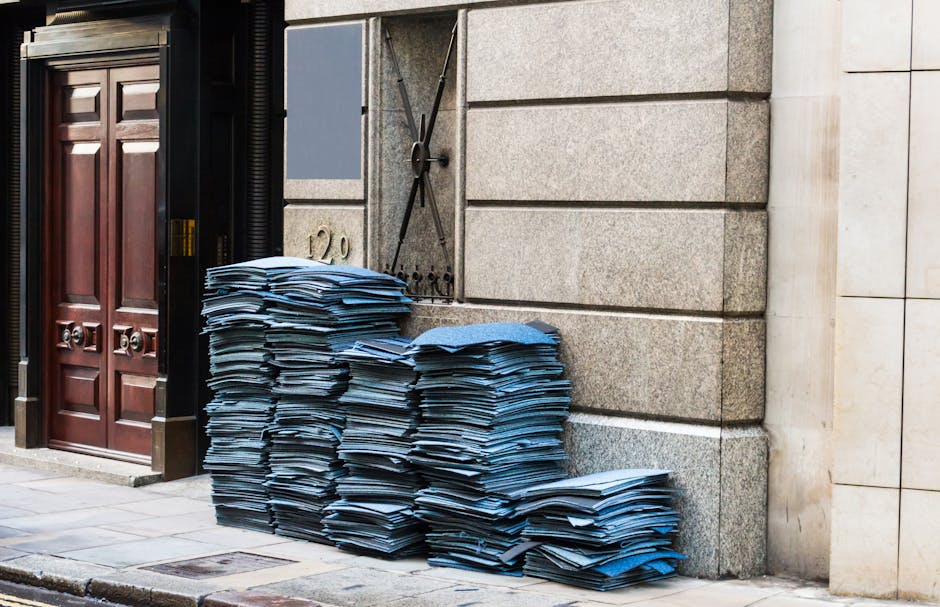
If you run a shop near Motcomb Street, rubbish has a habit of appearing faster than you expect.
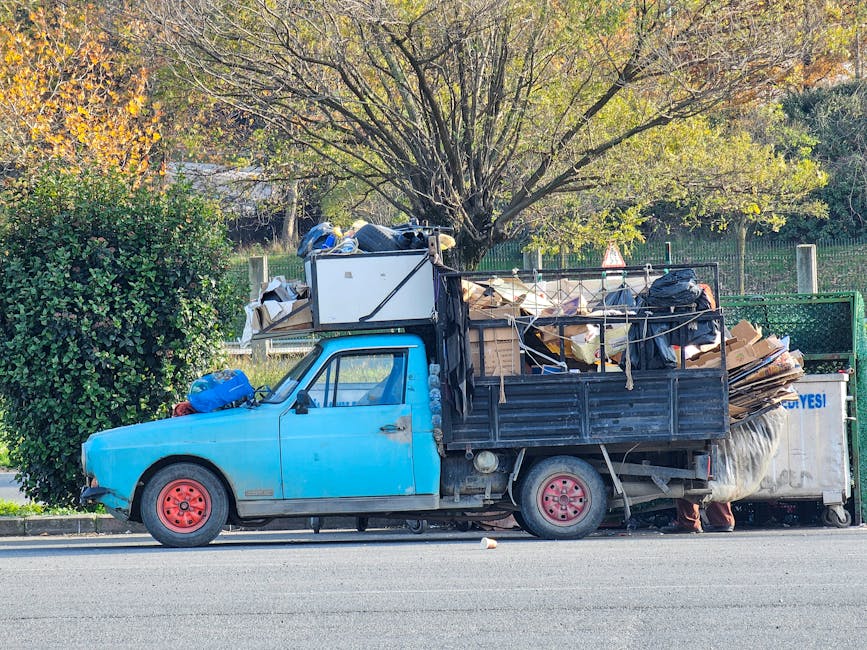
If you are dealing with a sofa that has seen better days, a broken wardrobe, or a pile of...

Belgravia, an epitome of elegance and sophistication, is one of London's most prestigious districts.

Belgravia, one of London's most prestigious areas, is known for its elegant streets, grand...

Belgravia, a prestigious district in Central London, is known for its grand stucco terraces and...

London, a bustling metropolis known for its iconic landmarks and vibrant culture, is a city that...

Belgravia, one of London's most affluent districts, is renowned for its elegant townhouses,...

 (81)
(81)